Joint pain can make daily activities feel like major obstacles. At Kristofer J. Jones, MD, we help athletes and active individuals find lasting relief. Dr. Jones provides advanced orthopedic care in Los Angeles, California.
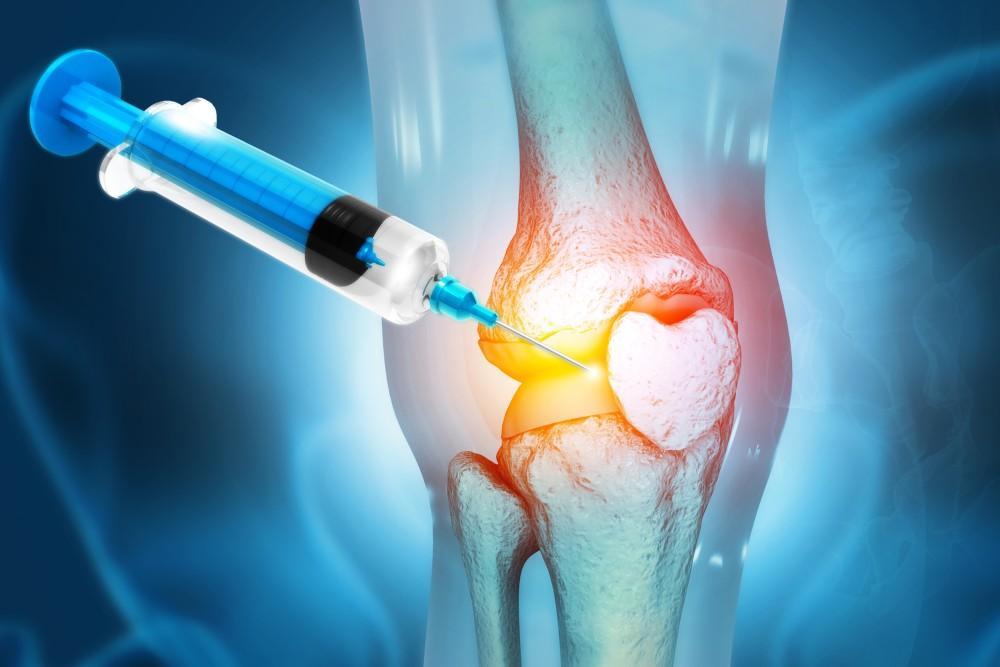
For many people, platelet-rich plasma (PRP) therapy offers a non-surgical option to manage joint pain and support healing. This treatment uses your own blood to target damaged tissues. It is changing how we approach joint care.
How does PRP compare to traditional joint injections?
PRP therapy provides longer-lasting pain relief than standard steroid or gel injections.
While conventional steroid injections work rapidly to suppress local inflammation, their clinical benefits are frequently short-lived, requiring repeated treatments over time. In contrast, PRP functions by delivering a concentrated cascade of vital growth factors directly to the affected joint environment. Although the onset of therapeutic relief is more gradual, the resulting reduction in pain and improvement in joint function are substantially more sustainable.
Our practice provides custom PRP protocols designed to align with your personal physical demands, whether you are aiming to return to high-level athletics or simply seeking comfort during everyday movements.
Can PRP regrow lost joint cartilage?
No, PRP does not physically regrow or rebuild lost joint cartilage. It is a common misconception that biologic therapies can build a brand-new joint from scratch. Cartilage has no direct blood supply, which makes it very difficult to regenerate.
Rather than regenerating new structural tissue, PRP serves as a potent biological modifier within the joint capsule. It actively alters inflammatory pathways, calms hyperactive pain signaling, and helps preserve existing joint structures from accelerated breakdown. For patients requiring structural interventions, Dr. Jones also offers specialized cartilage repair and restoration procedures to address extensive structural defects.
Is PRP therapy right for you?
PRP is effective for people with mild to moderate joint damage who want to delay surgery.
Because PRP utilizes autologous blood components harvested directly from the patient, the procedure carries an exceptional safety profile with minimal risk of adverse reactions or rejection. Patients may notice mild localized soreness or swelling for a few days following treatment; this transient response reflects the natural activation of the tissue healing response within the joint.
As the Head Team Physician for the Los Angeles Lakers, Dr. Jones understands the demands of an active lifestyle. We use evidence-based sports medicine to help you make informed decisions about your care.
If joint pain is keeping you on the sidelines, non-surgical options like PRP may help you get back in the game. We are here to guide you through every step of your recovery. To find out if you are a candidate for PRP therapy, schedule a consultation with our team today.